Why Is Japan Called the Land of the Rising Sun?
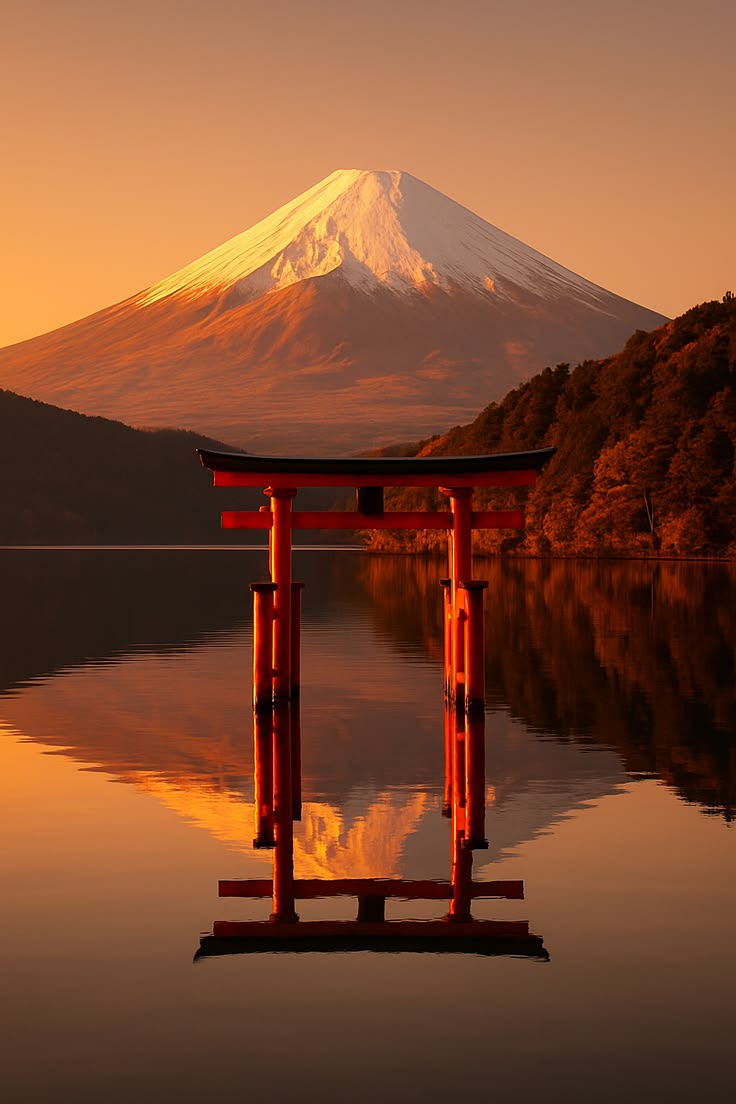
Why Is Japan Called the Land of the Rising Sun?
The story behind Japan’s most iconic name
Japan is known around the world as the “Land of the Rising Sun.” It is a phrase that appears in travel stories, books, films and even in the way Japan presents itself to the world.
But have you ever wondered why Japan is called the Land of the Rising Sun?
The answer is more fascinating than simply pointing to Japan’s location on a map.
Japan’s name, 日本 (Nihon or Nippon), is closely connected with the idea of the sun’s origin. Over centuries, this meaning became intertwined with Japan’s geography, ancient history, Japanese mythology and cultural identity.
From the direction of the rising sun to the story of Amaterasu, the Shinto sun goddess, and the red circle on Japan’s national flag, the sun has remained an enduring symbol of the country.
Let’s explore the story behind Japan’s most famous nickname.
Why Is Japan Called the Land of the Rising Sun?
Japan is called the Land of the Rising Sun because of its position to the east of mainland Asia.
Historically, from the perspective of China and other parts of East Asia, Japan lay in the direction where the sun appeared to rise. This eastern position eventually became associated with the idea of the sun’s origin.
The connection is also reflected directly in Japan’s Japanese name:
日本 (Nihon / Nippon)
The two characters have individual meanings:
- 日 (nichi/hi) — sun or day
- 本 (hon/moto) — origin, base or beginning
Together, 日本 can be understood as “origin of the sun” or “where the sun begins.”
This is the foundation behind the poetic expression “Land of the Rising Sun.”
However, it is important to understand that the phrase is symbolic rather than a literal geographical claim. Japan is not technically the first place on Earth to see the sunrise every day. Instead, the expression reflects Japan’s historical position to the east of the Asian mainland.
What Does “Nihon” Really Mean?
If you have travelled to Japan or explored Japanese culture, you may have heard the country referred to as Nihon or Nippon.
Both words are written with the same characters: 日本.
While Nihon is commonly used in everyday Japanese, Nippon can have a more formal or emphatic tone and is also used in certain official contexts.
The meaning of the characters gives us an important clue about Japan’s identity.
日 represents the sun.
本 represents an origin or starting point.
So, 日本 carries the idea of the place where the sun originates.
This interpretation is closely connected with the historical relationship between Japan and mainland Asia. Japan lies far to the east, across the sea, making it one of the easternmost major cultures in the region.
Over time, this geographical relationship became part of the country's name and identity.
The Ancient History Behind the Name
The story of Japan’s name goes back more than a thousand years.
Ancient China was a major cultural influence throughout East Asia, and historical Chinese records referred to the islands to the east using names and descriptions associated with the sunrise.
The relationship between Japan and China was particularly important during the early development of Japan’s political and cultural institutions.
One famous historical connection comes from the 7th century, when Japan established diplomatic relations with the Sui dynasty of China.
A diplomatic letter traditionally associated with Prince Shōtoku is said to have referred to Japan as the land where the sun rises and China as the land where the sun sets.
Whether every detail of the famous account is interpreted exactly the same way by historians, the broader idea is significant: Japan was increasingly associated with the rising sun because of its position to the east.
Over the centuries, this association became firmly established.
The Sun in Japanese Mythology
The story becomes even more interesting when we look beyond geography.
The sun has a deeply important place in Japanese mythology and Shinto tradition.
At the heart of this tradition is Amaterasu Ōmikami, the Shinto sun goddess.
Amaterasu is one of the most important figures in Japanese mythology and is traditionally associated with light, the sun and the imperial lineage of Japan.
Her stories are recorded in ancient Japanese texts, including the Kojiki and Nihon Shoki.
One of the best-known stories tells of Amaterasu hiding inside a cave after a conflict with her brother, Susanoo. With the sun goddess hidden away, the world was plunged into darkness.
The other gods eventually managed to draw her out, bringing light back to the world.
While this is a mythological story rather than a historical account, it illustrates how deeply the concepts of sunlight, nature, life and renewal are embedded within Japanese cultural traditions.
This makes the expression “Land of the Rising Sun” feel much more meaningful than a simple geographical nickname.
Why Is There a Sun on Japan’s Flag?
You can see Japan’s relationship with the sun immediately on its national flag.
Japan’s flag is commonly known as the Hinomaru, meaning roughly “circle of the sun.”
Its design is remarkably simple:
A red circle against a white background.
The red circle represents the sun.
The design has become one of the most recognizable national symbols in the world and naturally reinforces Japan’s identity as the Land of the Rising Sun.
The simplicity of the flag also feels distinctly Japanese. There is no complicated emblem or elaborate pattern—just a single, powerful symbol.
The sun.
Is Japan Really the First Place to See the Sunrise?
This is one of the most common questions about Japan’s nickname.
No—not literally.
Japan is not always the first place on Earth to see the sunrise.
The exact location of sunrise changes depending on the season, latitude, longitude and the position of the International Date Line.
So why does Japan have this reputation?
Because historically, Japan was viewed from mainland Asia as being toward the east—the direction of the rising sun.
Therefore, “Land of the Rising Sun” is better understood as a historical and cultural expression rather than a scientific statement.
And perhaps that is what makes the name so beautiful.
It isn't about being first.
It is about being where the sun rises.
The Rising Sun as a Symbol of New Beginnings
There is another reason the expression continues to resonate with Japan.
A sunrise naturally represents a new beginning.
Every morning, darkness gives way to light. A new day begins.
This idea of renewal can be found throughout Japanese culture—from seasonal traditions and festivals to the appreciation of nature and changing landscapes.
Japan's relationship with nature is particularly visible in the country's appreciation of cherry blossoms, autumn foliage, mountains, gardens and changing seasons.
The rising sun fits naturally into this broader appreciation of impermanence and renewal.
For travellers, this can make a sunrise in Japan feel especially symbolic.
It can be the beginning of a new day, but also the beginning of a journey through a culture that has evolved over centuries while retaining strong connections to its traditions.
Experiencing the Land of the Rising Sun
Perhaps the best way to understand Japan's nickname isn't by reading about it—but by experiencing a Japanese sunrise.
Imagine standing before Mount Fuji as the first light touches its snow-covered peak.
Or walking through the quiet streets of Kyoto before the city wakes up.
Or watching the morning light spread across a coastal village in Japan.
These moments reveal a side of Japan that can easily be missed when travelling only between major attractions.
Japan is often at its most captivating in the quieter moments:
A temple before the crowds arrive.
A traditional neighbourhood waking up.
A mountain village surrounded by morning mist.
A local breakfast in a small family-run restaurant.
A train journey through the countryside.
This is the Japan that exists beyond the usual itinerary.
Why the Name Matters to Travellers
Understanding why Japan is called the Land of the Rising Sun gives travellers a small window into the country's deeper identity.
The name connects several layers of Japan together:
Geography — Japan lies to the east of mainland Asia.
Language — 日本 carries the meaning associated with the sun's origin.
History — Ancient relationships with China helped establish the expression.
Mythology — Amaterasu represents the sun in Japanese tradition.
National identity — The sun appears prominently on Japan's flag.
Travel — Sunrise continues to be an evocative part of experiencing Japan's landscapes.
Together, these elements show that Japan's nickname isn't simply something created for tourism.
It is a name deeply connected to the country's history and cultural imagination.
Beyond the Land of the Rising Sun
Japan is much more than the nickname that introduced it to the world.
It is a country where ancient temples stand alongside modern cities, where centuries-old traditions coexist with cutting-edge technology, and where quiet mountain villages can feel worlds away from Tokyo's energetic streets.
Perhaps that is what makes Japan so fascinating.
There is always another layer waiting to be discovered.
And just as the sun rises gradually rather than all at once, Japan reveals itself slowly—to those willing to look beyond the obvious.
The Land of the Rising Sun isn't simply a place on the map. It is a story of history, culture, nature and renewal.
And the best way to understand that story is to experience Japan for yourself.
Frequently Asked Questions
Why is Japan called the Land of the Rising Sun?
Japan is called the Land of the Rising Sun because it lies to the east of mainland Asia, in the direction of sunrise. The Japanese name 日本 (Nihon/Nippon) is associated with the idea of the “origin of the sun.”
What does Nihon mean?
Nihon (日本) is one of the Japanese names for Japan. The characters can be interpreted as sun (日) + origin (本), giving the meaning “origin of the sun.”
What is the meaning of Nippon?
Nippon is another pronunciation of 日本, the same characters used for Nihon. Both refer to Japan.
Is Japan really the first country to see the sunrise?
No. Japan is not literally the first country to see the sunrise every day. The phrase is a historical and symbolic expression based largely on Japan's position east of mainland Asia.
Who is Amaterasu?
Amaterasu Ōmikami is the Shinto sun goddess and one of the most important figures in Japanese mythology. She is traditionally associated with the imperial lineage of Japan.
Why does Japan have a red circle on its flag?
The red circle on Japan's flag represents the sun, reinforcing the country's long-standing association with the rising sun.
Discover Japan Beyond the Familiar
The story of the Land of the Rising Sun is only one of the many stories that make Japan extraordinary.
From hidden neighbourhoods and traditional towns to local cuisine, seasonal landscapes and centuries-old customs, there is a Japan waiting beyond the standard tourist trail.
Travel deeper. Travel thoughtfully. Discover Japan with Zuiichi.
Yashi Sharma
Co-founder & Trip Lead
Accompanying small groups across Japan since 2009. University of Cambridge alumnus dedicated to unhurried, neighborhood-first exploration.